Think Home Prices Will Crash in Lathrop? Here’s What Experts Actually Expect

By David Torres | Broker Associate at Real Broker
A lot of buyers in Lathrop, CA are not saying no to buying.
They are saying, “Not yet.”
They are watching mortgage rates.
They are watching prices.
They are watching listings sit longer.
They are watching price reductions.
And somewhere in the back of their mind, there is one question they keep coming back to:
“What if home prices crash and I could get a better deal later?”
It is a fair concern.
Nobody wants to overpay. Nobody wants to buy a home and then feel like values dropped right after they closed. And after everything buyers have seen over the past few years, it makes sense that people are trying to be careful.
But there is another question buyers should be asking too:
What if the crash you are waiting for is not actually coming?
Because according to the latest expert forecasts, that is exactly the bigger picture right now.
Some markets may be seeing price adjustments. Some homes may be reducing their asking price. Some sellers may be more negotiable than they were a few years ago.
But that is not the same thing as a national housing crash.
And for buyers looking in Lathrop, CA or River Islands, understanding that difference matters.
Experts Are Not Calling for a Housing Crash
If you spend enough time online, it is easy to believe the housing market is about to collapse.
You will see posts claiming home prices are crashing.
You will see videos telling buyers to wait.
You will see headlines focused on markets where prices are softening.
And yes, some areas are seeing small price declines right now.
But a few markets seeing price adjustments is not the same thing as home prices crashing everywhere.
According to Realtor.com data, home prices are still rising in 71% of housing markets across the country.
That is a key point.
The negative stories tend to get more attention because fear creates clicks. A market seeing price declines often gets more coverage than the majority of markets where prices are still rising.
That can make buyers feel like prices are falling everywhere, even when they are not.
In a local market like Lathrop, this distinction is important. A price reduction on one listing does not mean the entire market is collapsing. A seller adjusting an overpriced home does not mean all home values are falling. And a slower market does not automatically equal a crash.
Sometimes the market is not crashing.
Sometimes it is normalizing.
Why National Headlines Can Be Misleading
Real estate is local, but headlines are often national.
That creates confusion.
A buyer in Lathrop might read about price declines in another state, another metro area, or a completely different type of market and assume the same thing is happening here.
But local conditions matter.
A market with major job losses, oversupply, or too much investor speculation may behave differently than a community where people are still buying for lifestyle, family needs, schools, commute, or long-term plans.
Even within Lathrop, not every home competes the same way.
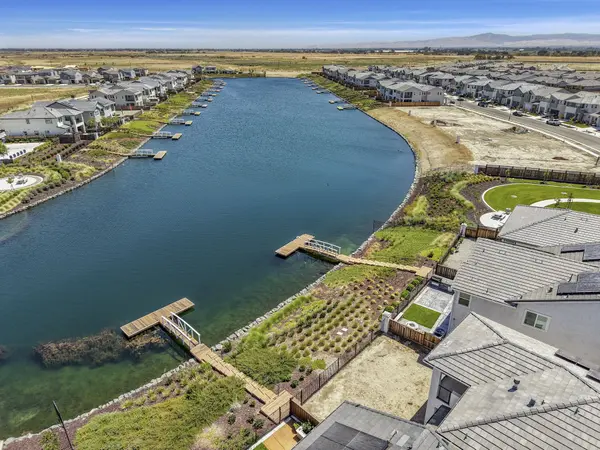
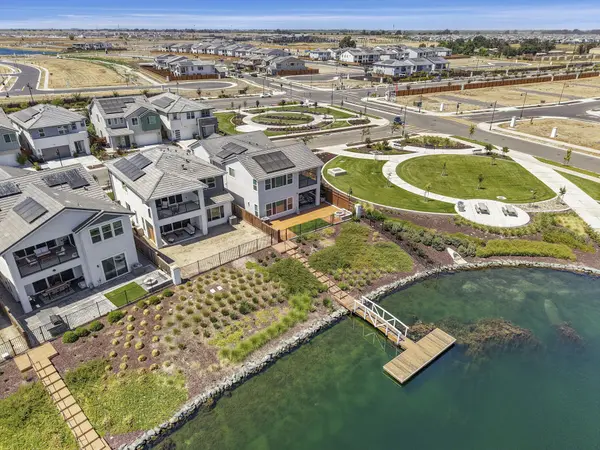
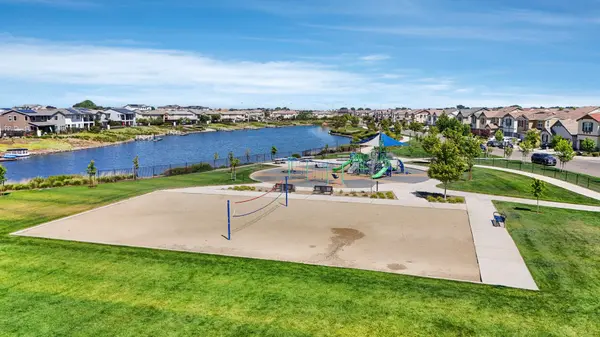
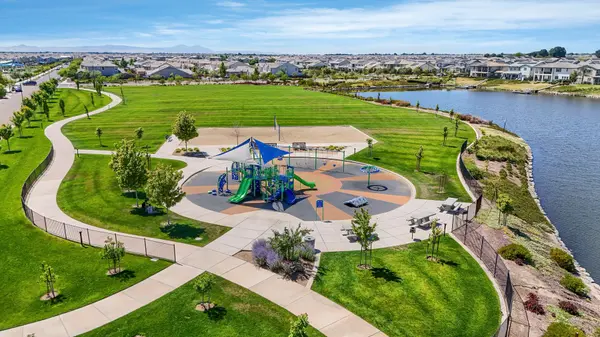
A home in River Islands may attract a different buyer pool than a property in another part of town. Newer homes, floor plans, lot locations, upgrades, school access, parks, lakes, trails, and community amenities can all affect demand.
That is why buyers should be careful about making major decisions based only on broad headlines.
The better approach is to look at what experts expect nationally, then compare that to what is actually happening locally.
What the Home Price Expectations Survey Shows
So where are prices expected to go from here?
That is where the Home Price Expectations Survey from Fannie Mae comes in.
Every quarter, more than 100 economists, housing experts, and market analysts are asked where they believe home prices are headed based on the latest available data.
Despite the uncertainty in today’s housing market, the expert consensus is clear:
They are not expecting a crash.
In fact, the average of all expert forecasts calls for home prices to rise every year for at least the next five years.
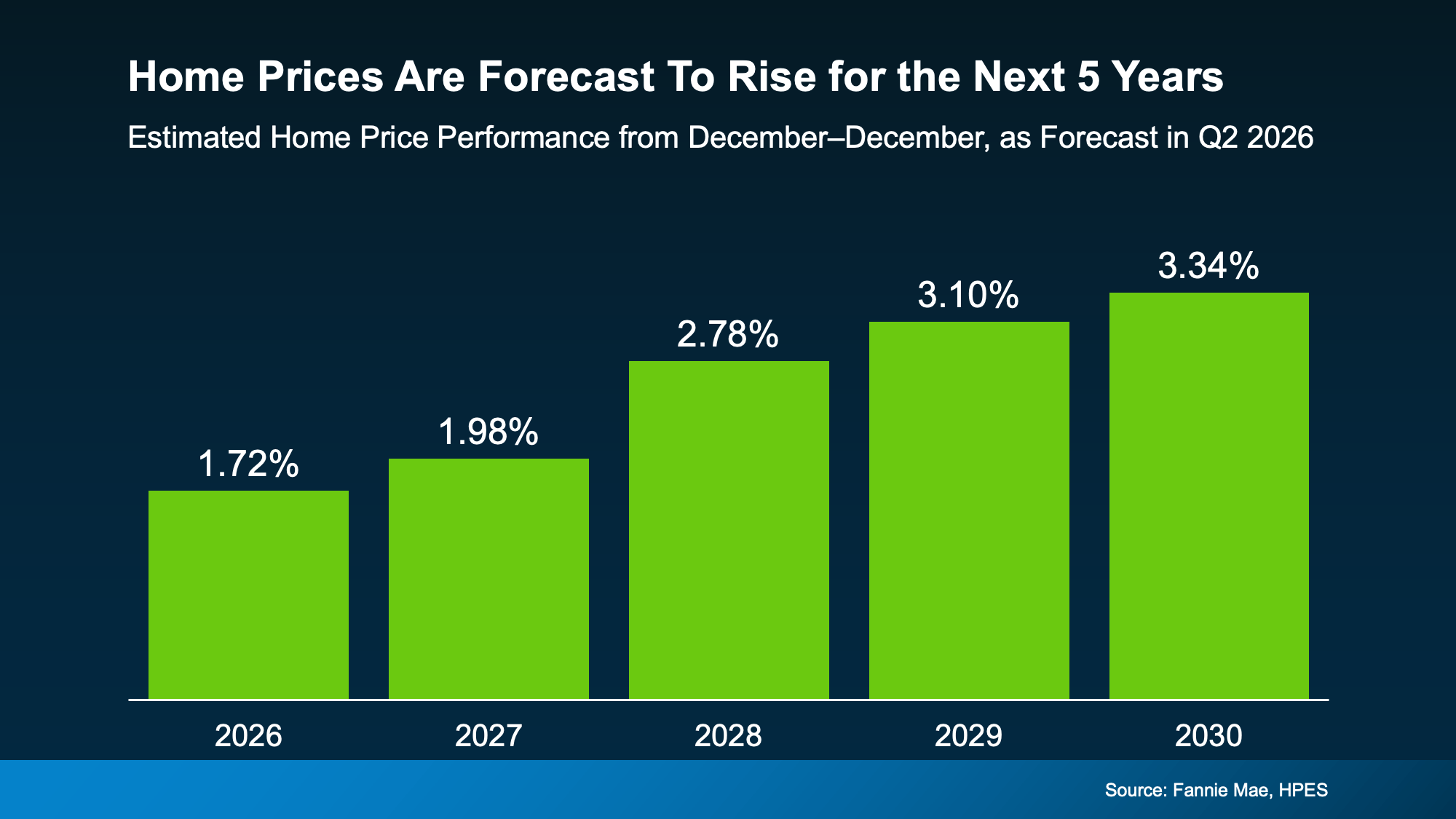
That does not mean prices are expected to surge like they did during the most competitive market years.
The expectation is not another unrealistic spike.
The expectation is more normal price growth.
That is an important distinction.
A more moderate market can still be a healthy market. Buyers may have more choices. Sellers may need to price more carefully. Negotiation may be more realistic. Homes may take longer to sell.
But none of that automatically means prices are expected to collapse.
Even the Pessimists Are Not Predicting a Crash
One of the most interesting parts of the Home Price Expectations Survey is that it does not only include optimistic voices.
Researchers separate the panel into groups based on whether they are more bullish or more bearish about the housing market.
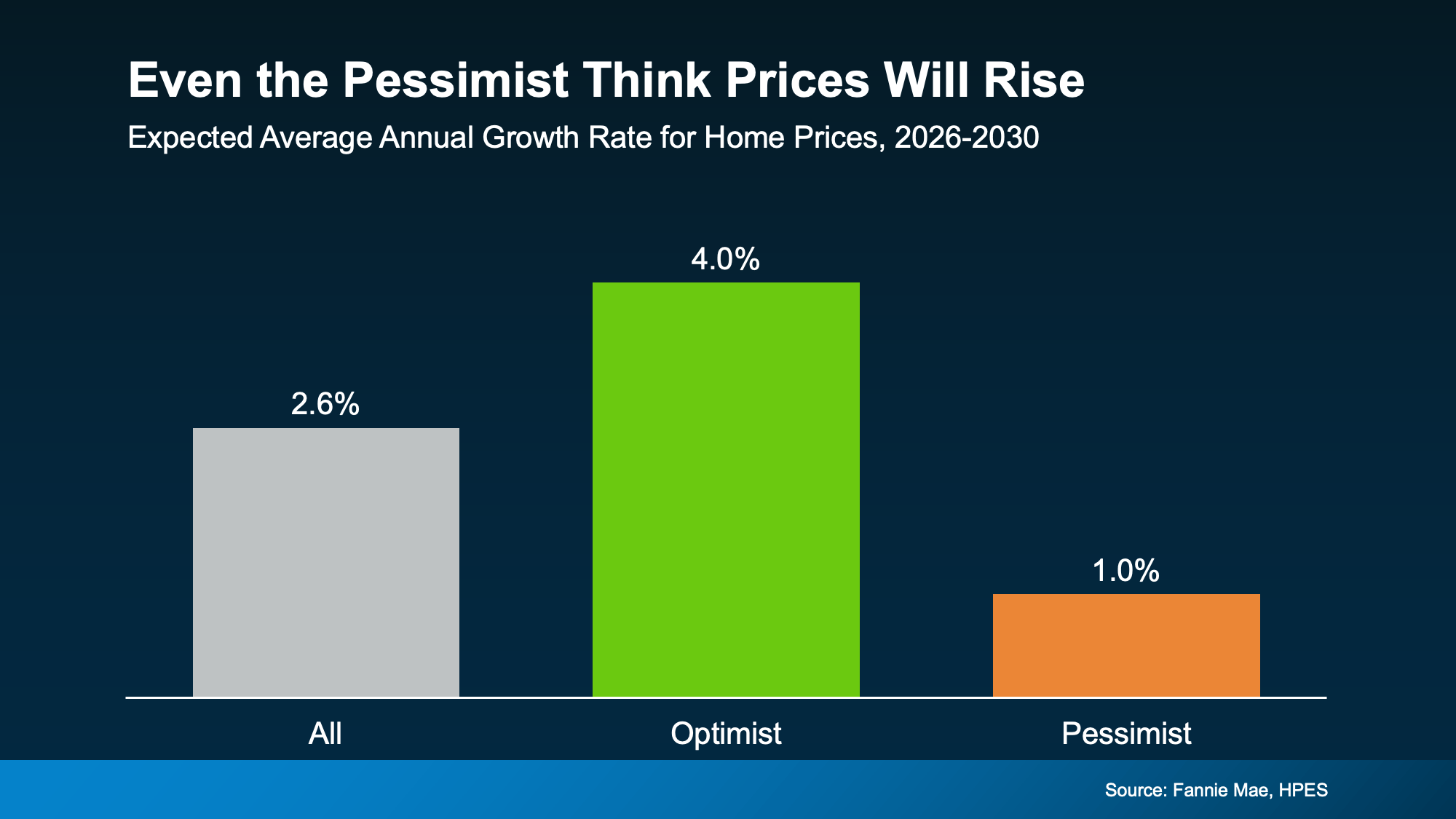
And even the most pessimistic group still expects home prices to rise over the next five years.
That matters.
The optimistic group expects prices to rise by roughly 4% per year.
The pessimistic group expects prices to rise closer to 1% per year.
The actual outcome may land somewhere in the middle.
Think about what that means.
The expert debate is not whether home prices are going to crash.
The debate is how much prices are likely to rise.
That is a very different conversation than what many buyers are hearing on social media.
Online, the conversation often sounds like:
“Prices are about to collapse.”
“Wait and buy later.”
“Do not buy until the crash happens.”
But the expert forecast is saying something more measured:
Prices may rise more slowly, but a widespread crash is not the expectation.
What This Means for Buyers in Lathrop and River Islands
For buyers in Lathrop, CA and River Islands, this is where the conversation gets practical.
If you are waiting because the monthly payment does not work yet, that is a valid reason to wait.
If you need to save more money, improve credit, reduce debt, or feel more secure with your job situation, waiting may be smart.
But if you are waiting only because you expect home prices to crash, you may want to rethink that strategy.
Because if the experts are right, prices may continue rising over the next several years. Maybe not at the pace we saw during the market frenzy, but still rising.
That means waiting could come with a cost.
It could mean:
- paying more for the same type of home later
- losing out on equity growth
- facing more competition if rates improve
- watching desirable homes sell while you wait
- needing a larger down payment later
- stretching your budget more in the future
The risk is not just buying too soon.
The risk may also be waiting too long for a crash that never arrives.
Waiting Could Cost More Than Buyers Realize
Based on the Home Price Expectations Survey forecast, a buyer who purchased a $400,000 home in January could gain nearly $40,000 in equity over the next five years from appreciation alone, even in a more moderate market.
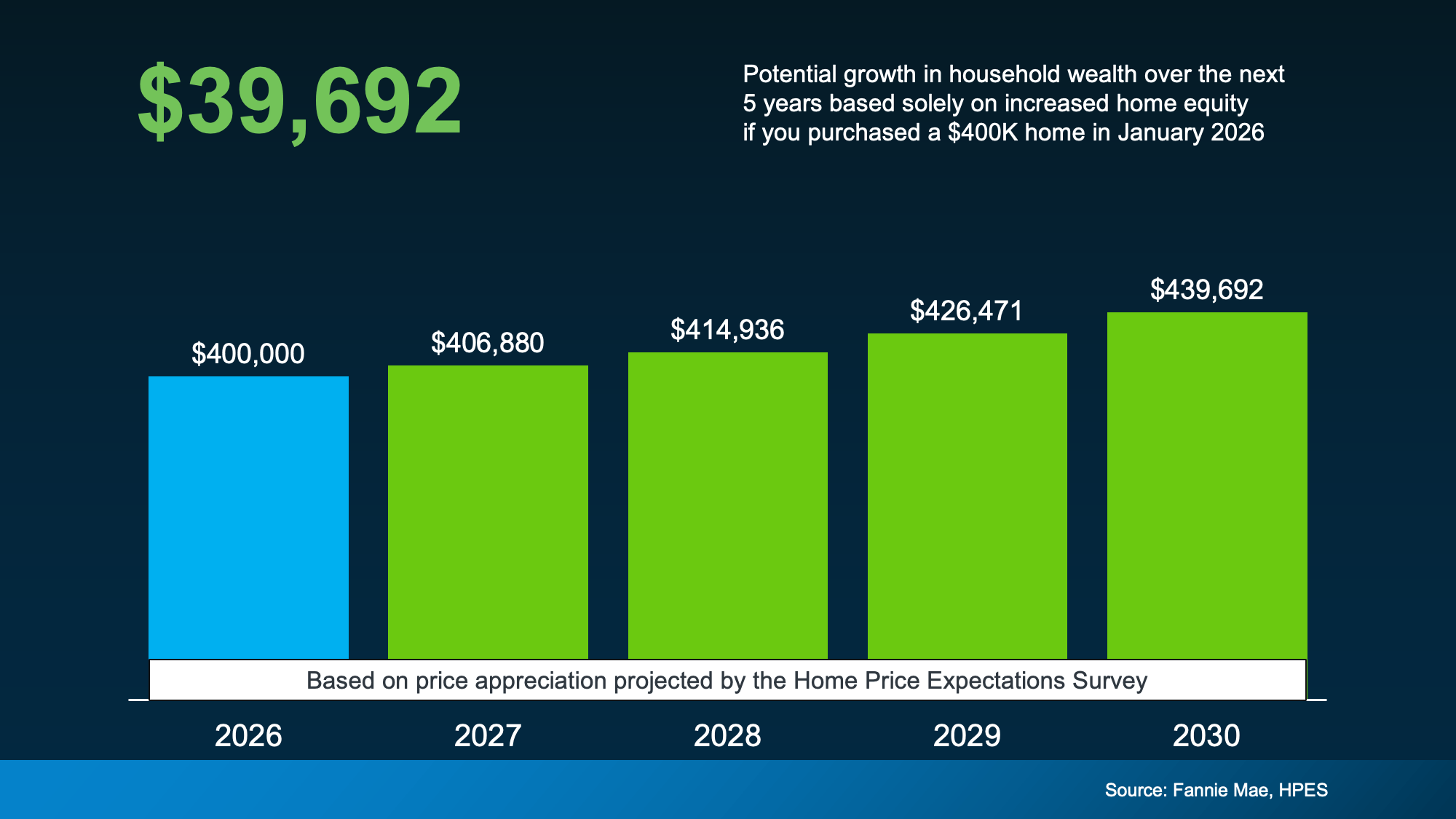
That is a powerful example.
Of course, every market is different. That forecast is a national average, and the actual equity gain will depend on local conditions, the home, the purchase price, the neighborhood, and how long the buyer owns the property.
But the point is still important.
If home prices continue rising, a buyer who waits may not get a lower price later.
They may simply pay more for a similar home.
In some cases, waiting could mean missing out on equity growth. In other cases, it could mean paying tens of thousands more in the future for the same type of property.
That is why buyers need to think carefully about the real cost of waiting.
AEO Quick Answer: Are Home Prices Expected To Crash?
Most experts are not expecting home prices to crash. While some markets may see small price declines or price adjustments, Realtor.com data shows home prices are still rising in 71% of housing markets across the country. The Home Price Expectations Survey from Fannie Mae also shows that more than 100 economists, housing experts, and market analysts expect home prices to rise each year for at least the next five years.
Are Lathrop and River Islands Home Prices Going To Crash?
No one can guarantee exactly what home prices will do in any specific market, including Lathrop or River Islands.
But a crash is very different from a market adjustment.
A crash would mean widespread, sharp, sustained price declines.
A market adjustment may mean longer days on market, more price reductions, more seller negotiation, and slower appreciation.
Those are not the same thing.
In Lathrop and River Islands, buyers should look at local indicators, including:
- active inventory
- days on market
- price reductions
- comparable sales
- pending activity
- buyer demand by price point
- new construction competition
- seller concessions
- how close homes are selling to list price
Those local details matter more than a national headline.
A buyer may find more negotiating room today than they had a few years ago. That is not a crash. That is a more balanced market.
And in a more balanced market, prepared buyers can often make better decisions.
Why Some Buyers Are Still Waiting
The buyers waiting right now are not necessarily wrong.
Many are being careful because affordability is a real challenge.
Higher mortgage rates have changed monthly payments. Home prices are still elevated compared to several years ago. Insurance, taxes, and the cost of everyday life have also made buyers more cautious.
That caution is understandable.
But there is a difference between being financially careful and being frozen by fear.
A smart buyer should not rush into a home just because prices may rise.
But they also should not assume a major crash is guaranteed just because that idea is popular online.
The better move is to look at the numbers clearly.
What can you afford today?
What homes fit your needs?
How long do you plan to own the property?
What is happening in the local market?
Would waiting improve your position, or could it make the same home more expensive later?
Those are the questions that lead to a better decision.
The Real Risk of Waiting for the Perfect Market
Many buyers want perfect timing.
They want lower rates.
Lower prices.
More inventory.
Less competition.
More seller flexibility.
That would be ideal.
But real estate rarely gives buyers every advantage at the same time.
When rates drop, buyer demand may increase.
When competition increases, negotiating power can shrink.
When desirable homes are available, other buyers may move quickly.
When prices are rising, waiting can reduce affordability.
That is why waiting for the perfect market can become a trap.
A better strategy is to focus on personal readiness.
If the home fits your budget, your timeline, your family, and your long-term goals, it may be worth exploring, even if the market is not perfect.
If it does not fit those things, waiting may be the right move.
The key is making the decision based on your actual situation, not fear of a crash that experts are not forecasting.
What Sellers Should Understand Too
This topic matters for sellers as well.
Some homeowners in Lathrop and River Islands may hesitate to list because they hear buyers are waiting for prices to fall. Others may worry that the market is too soft to sell.
But the data shows a more balanced picture.
Buyers are cautious, but buyers are still active. Many are looking for the right home, the right price, and the right terms.
That means sellers can still succeed, but they need to be realistic.
Pricing too high can push buyers away. Poor presentation can make buyers hesitate. Weak marketing can cause a home to blend in with the competition.
In today’s market, seller success depends on positioning.
The homes that stand out are the ones that are priced correctly, presented well, marketed strongly, and aligned with what today’s buyers value.
A market that is not crashing does not mean sellers can ignore buyer sensitivity.
It means strategy matters.
What Buyers Should Do Instead of Waiting for a Crash
If you are waiting because you believe prices will fall dramatically, it may be time to replace the crash question with a better set of questions.
Ask:
- What is actually happening with home prices in Lathrop?
- Are River Islands homes selling differently than other parts of the city?
- Are sellers negotiating?
- Are price reductions creating opportunities?
- What payment range is comfortable for me?
- How long do I plan to live in the home?
- What happens if rates fall and more buyers come back into the market?
- What happens if prices keep rising slowly?
These questions are more useful because they focus on strategy, not speculation.
You do not need to perfectly predict the market to make a good decision.
You need a clear understanding of your options.
Bottom Line
A lot of buyers are waiting because they think home prices are going to fall.
But that is not what most experts are forecasting.
According to Realtor.com, home prices are still rising in 71% of housing markets across the country. And according to the Home Price Expectations Survey from Fannie Mae, more than 100 economists, housing experts, and market analysts expect home prices to rise each year for at least the next five years.
Even the most pessimistic experts in the survey are not calling for a crash.
That does not mean you have to buy now. You should only move when the numbers, timing, and home make sense for your life.
But if you are waiting for a major housing crash before buying in Lathrop, CA or River Islands, it may be worth having a real conversation about what the local market is actually doing.
The bigger risk may not be buying before a crash.
It may be waiting for a crash that never comes.
If you want to understand what is happening with home prices in Lathrop or River Islands, reach out. I can help you look at the local data, your goals, and whether buying now or waiting makes more sense for your situation.
About the Author
David Torres is a Broker Associate at Real Broker serving Lathrop, CA and River Islands. He helps buyers and sellers understand local market trends, home values, and real estate strategy so they can make confident decisions in today’s market.
Categories
Recent Posts